

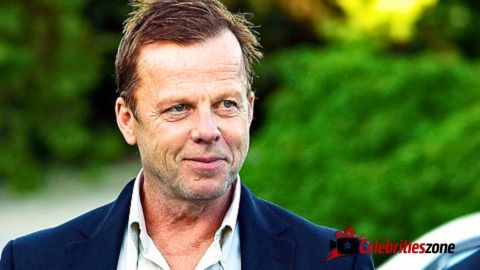
If you grew up in the UK in the late 1980s and 1990s, you probably remember Pat Sharp. His energy, his style, and the joyful chaos of the show Fun House made him feel like more than just a TV presenter he felt like part of childhood itself. But every few years, the same question resurfaces online: “What happened to Pat Sharp?”
It’s a fair question. When your face has been on TV for years and then suddenly appears less often on mainstream screens, people naturally wonder whether something dramatic happened behind the scenes. The truth is more interesting than rumor, though not as sensational as some headlines people repeat. Pat Sharp’s later years are best understood as a career shift, not a collapse moving from national kids’ TV stardom into radio, music media, and behind-the-scenes work, while gradually stepping away from the kind of constant spotlight that mainstream fame requires.
In this article, we’ll look at Pat Sharp’s rise, the moment he became a household name, what changed as entertainment tastes and TV culture evolved, and where he is today professionally and personally based on publicly available information.
Bio
| Label | Information |
|---|---|
| Full name | Pat Sharp |
| Known for | TV and radio presenting |
| Famous for | Children’s entertainment presenter |
| Breakthrough era | Late 1980s to 1990s TV |
| Signature work | Fun House |
| Style | High-energy, audience-friendly hosting |
| Career focus | Music, radio, and entertainment media |
| Public profile | Less mainstream TV, more music-related appearances |
| Legacy | A memorable face of 90s UK entertainment |
| Today’s activity | Continued work in entertainment and media |
| Main question online | “What happened to Pat Sharp?” |
| Reader takeaway | He shifted careers, not disappeared |
Who is Pat Sharp?
Pat Sharp is an English radio presenter, television presenter, and DJ. He became widely known as a TV host, especially for children’s entertainment, and he later remained active in music and media through radio and appearances connected to music TV programming.
What makes his story stand out is that he didn’t rely on one lane. Many entertainers are “main TV” or “main radio.” Pat Sharp’s career connected multiple audiences children and teens through television, then music fans through radio and music-focused media. His recognizability wasn’t only about one show; it was about a persona that traveled across formats.
Before fame, he worked his way into broadcasting through BBC radio and early media opportunities, building momentum that eventually brought him into mainstream television. Wikipedia’s career summary places him working on BBC Radio 1 in the early 1980s, followed by higher visibility through TV hosting.
That matters because it explains why the public “saw” him later: the groundwork was already there. He wasn’t just lucky he was steadily building the skills that TV and radio both demand: timing, confidence, and the ability to keep people watching or listening.
The career that made him a star
No single segment defines Pat Sharp more than his era as a presenter associated with youth entertainment in the UK. The best-known cornerstone of that period is Fun House, which he presented along with co-hosts.
Fun House wasn’t just a show it was a format built to keep energy high. It combined challenges, prizes, music, and the unmistakable “interactive” feel of kids’ TV where the audience could pretend they were in on the action. Pat Sharp’s persona matched that tone perfectly: he was upbeat without sounding fake, and he brought entertainment value even to moments that were, frankly, chaotic.
The scale of his popularity was large enough that his name became tightly associated with the show itself. Multiple sources over the years describe him as the iconic face of Fun House, and retrospective interviews frequently treat him as a defining part of 1990s British children’s TV.
But the real “star making” part wasn’t only the fame. It was what came after he won that audience. Pat Sharp’s brand became adaptable. When children’s television doesn’t stay in season forever shows change, tastes change he didn’t disappear. He continued working in media, especially in music-related broadcasting and presentation roles.
Why Fun House mattered so much
To many viewers, Fun House is still a cultural marker. It’s the kind of program people remember with specific feelings: bright sets, games with messy surprises, music playing in the background, and the sensation that something exciting was happening “just for you.”
In a retrospective-style piece, Radio Times quoted Pat Sharp discussing behind-the-scenes and the vibe of the show how it felt to be part of something colorful and energetic for young audiences.
Den of Geek also features a long-form interview with him in which he’s framed as a “legendary host” and connects his work to his broader creative life.
That’s important because it suggests something about what happened to Pat Sharp: he didn’t only “host” a show; he contributed to a culture of youth entertainment and pop music visibility. For a time, that combination was rare especially at the level he brought to mainstream screens.
The turning point: what changed after the peak?
So what happened to Pat Sharp after his peak?
The simplest answer is: the entertainment world changed, and so did his career focus.
During the height of his mainstream visibility, children’s TV had a specific place in schedules, and presenters could become recognizable “mainstays.” Over time, audience behavior shifted. The rise of online viewing, changes in TV programming cycles, and the overall evolution of media made it harder for any single presenter to remain constantly visible across the same platforms.
But “things changed” doesn’t explain why people looked for a dramatic cause unless something else was happening.
In reality, many entertainers move in phases:
- They become extremely visible at a certain moment.
- They remain active, but their work becomes less centered on the same kind of national show.
- They take on different formats (radio work, music continuity slots, appearances, special events, or freelance production).
Public sources describe Pat Sharp as staying active and continuing to appear on music channels in later years, presenting continuity programs that look back at past hits. Wikipedia summarizes this “more recent years” pattern, mentioning appearances on music TV channels such as The Hits and Now 70s/Now 90s.
In other words, he didn’t vanish he became less “daily TV mainstream” and more “music media presence,” which is still work, just not the same kind of everyday visibility.
Later career: radio, music, and smaller-screen work
One of the clearest signs that Pat Sharp “kept going” is that his identity isn’t only tied to children’s television. He has long-standing links to radio, including BBC-related work earlier in his career and ongoing media involvement later.
Den of Geek’s interview notes he was freelancing for BBC London at the time of that conversation and running a production company working on TV themes and jingle packages for radio an example of the kind of work entertainers often shift into after peak fame.
This helps explain why the public experience of “where is he now?” can feel confusing. If someone becomes less prominent in one high-visibility genre, people may assume they stopped working altogether even if they’re still active in the industry behind the scenes or in a different medium.
Radio Times’ retrospective reporting similarly frames him as a living reference point for that era of TV, emphasizing stories from his time on Fun House rather than suggesting he disappeared.
Even newer coverage tends to treat him as someone who remains part of the pop-culture memory of the 90s, rather than as someone who exited entertainment entirely. For example, The Standard published a piece about him reflecting on Fun House years as a “nice memory,” which positions him as someone still willing to talk about his work and his legacy.
Life today: where is Pat Sharp now?
When people ask “Where is Pat Sharp now?” they usually mean one of three things:
- Is he still working in entertainment?
- Does he still appear publicly?
- Has his lifestyle changed since the peak years?
Based on the publicly available information, Pat Sharp remains connected to entertainment, particularly around music and radio-related work, and he has continued to make appearances that reference his earlier career. Wikipedia explicitly states that in more recent years he has regularly appeared on music TV channels with programming continuity looking back at hits from the 70s, 80s, and 90s.
He also appears in interviews and media features over time, which is another sign that he is not “gone.” A podcast episode description from Apple Podcasts frames him as discussing his career spanning decades, and emphasizes that he lives away from the spotlight now while still doing work connected to music and entertainment.
That combination less constant public exposure, but ongoing media activity is a common outcome for many people who spent years in high-profile broadcasting. For some, stepping back is less about trouble and more about choice: protecting energy, privacy, and time.
What you can take away from his “today” status
The “today” story of Pat Sharp is not that he fell off the map. It’s that he repositioned:
- from a youth TV presenter as a main face of a show
- into a broader media presence connected to music and broadcasting
- while keeping the option to return to interviews that celebrate that nostalgia.
That’s why older fans still recognize him, even if they aren’t seeing him every day on prime-time TV.
Personal life: what is known, and what isn’t
Personal-life questions tend to get the most attention online, and they can also become the most misleading when people fill gaps with speculation.
A respectful way to approach this is simple: focus on what’s documented through reliable, public sources, and avoid repeating unverified claims.
Some websites and rumor-heavy pages may circulate claims about celebrity personal lives. But unless the information is clearly supported by credible reporting, it’s better not to treat it as fact.
For this reason, the most reliable framing of Pat Sharp’s “life today” is about his public professional path radio, music programming, interviews, and industry work rather than trying to confirm private details that aren’t consistently documented through reputable sources.
A good blog article should do two things at once:
- answer readers’ curiosity in a grounded way
- avoid turning the unknown into “storytelling that sounds true.”
If you want, I can also draft a “privacy-first” version of this section that only includes what is clearly supported by high-quality sources you prefer (for example: mainstream media interviews only).
Why people ask “What happened to Pat Sharp?”
Part of the answer is psychological. When someone is strongly associated with a specific show especially a show tied to childhood people treat that presenter like a fixed point. So when the presenter becomes less visible, it feels like a disappearance.
But disappearances are rarely literal. They’re usually shifts in:
- the kind of content being made,
- where the presenter is working,
- and how the public discovers entertainment.
In today’s media environment, fame isn’t permanent in the same way it used to be. A person can remain active while still being “harder to find.” That doesn’t mean something went wrong it often means you have to look in different places.
Pat Sharp’s career pattern aligns with that reality. The fact that he continues to appear in music-media contexts and contributes to radio-related work suggests continuity rather than collapse.
Legacy: why Pat Sharp still matters
Legacy is more than nostalgia. It’s about influence.
Pat Sharp helped define an era of British entertainment where presenters weren’t only voices or faces they were characters. He was part of a style of hosting that emphasized excitement, music, and a friendly kind of confidence.
Even years later, when media outlets revisit him, the focus is often on his role in the mood of the time how the show felt, what he did, and why audiences loved it. Radio Times, for instance, frames his Fun House experience in a reflective way, emphasizing behind-the-scenes stories and the show’s color and energy.
And interviews continue to position him as someone whose career is still interesting, not just something that belongs to the past. Den of Geek’s feature treats him as an active creative professional with ongoing work and perspective.
That’s why the question “What happened to Pat Sharp?” won’t fully disappear. It’s tied to something deeper than one television run. When someone helped shape a generation’s entertainment memory, people keep asking how that person’s life unfolded afterward.
FAQs
1) What happened to pat sharp?
pat sharp didn’t disappear he stepped back from the constant mainstream TV spotlight and shifted his work toward radio and music-related media, which made him feel less visible to many viewers.
2) Is pat sharp still working today?
Yes. Public information indicates pat sharp has continued appearing in entertainment contexts, especially around music and music-TV continuity, rather than only hosting one long-running TV role.
3) Why do people think pat sharp “vanished”?
Most people connect him to a specific show and era. When programming changes and his work moves into different channels, it can look like he stopped, even when he’s still active in the industry.
4) What is pat sharp best known for?
He’s best remembered for his role as a presenter associated with British children’s entertainment, especially Fun House, which remains a defining part of his public legacy.
5) Where can I learn more about pat sharp’s career?
Start with reputable biographical sources and major media interviews that summarize his career. These typically cover his TV peak, later work, and ongoing public appearances.
Conclusion: the real answer to “What happened to Pat Sharp?”
So, what happened to Pat Sharp?
He rose to fame by building a career in broadcasting, then became a defining figure for UK children’s entertainment most famously through Fun House. Over time, as media landscapes shifted and his public work moved into different channels, he became less visible in the exact form that earlier fans expected. But he didn’t fade because of tragedy or a sudden stop in work.
Instead, he continued in entertainment through music and radio-related roles, making appearances and giving interviews that remind audiences why his name still matters. Public summaries describe ongoing appearances on music channels and earlier work in broadcasting and production.
In a way, that’s the most human answer: after a big spotlight era, many talented people choose a steadier rhythm. Pat Sharp’s story looks less like an ending and more like a shift in where he chooses to be seen.
