

Intro
Success stories are often packaged like trophies clean timelines, inspiring quotes, and a straight line from “hard work” to “results.” But real progress usually looks messier. It includes uncertainty, uncomfortable lessons, and moments when the person involved has to choose whether they’ll become someone new or stay stuck in the same pattern.
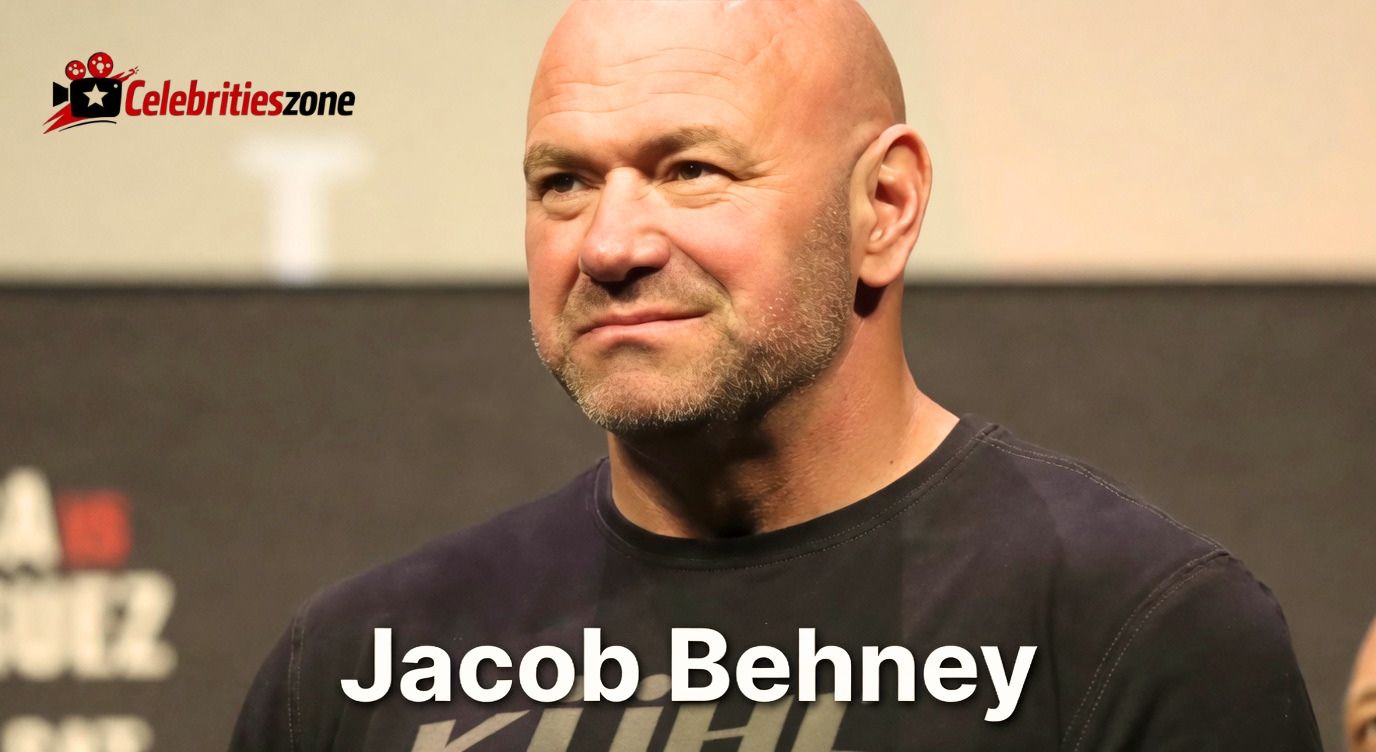
When people search for jacob behney, they are often looking for the backstory of a man connected to high-level mixed martial arts through coaching and mentorship. His story stands out not because it is tidy, but because it shows how discipline, survival instincts, and the ability to keep moving can shape a life over time. And while “success” can mean different things career growth, personal stability, community impact the common thread is the same: consistent effort under pressure.
This article breaks down the themes behind Jacob Behney’s path to success how mindset shifts, responsibility, and the long work of personal change can create outcomes that look bigger than the person could have predicted at the start.
Bio
| Label | Information |
|---|---|
| Name | Jacob Behney |
| Topic | Story behind his success |
| Main Focus | Coaching mindset and discipline |
| Field | MMA training and mentorship |
| Known For | Guidance for high-level fighters |
| Relationship | Associated with Bobby Green |
| Key Theme | Turning points and resilience |
| Approach | Consistent training and preparation |
| Values | Judgment, responsibility, growth |
| Takeaway | Success as a repeatable system |
| Reader Benefit | Practical lessons you can apply |
| Article Keyword | jacob behney |
| Tone | Informative and human-focused |
Who Jacob Behney Is
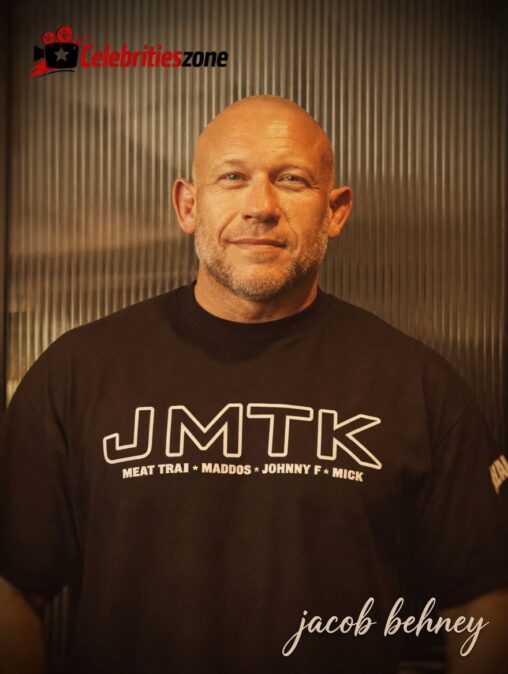
Jacob Behney is best known through his connection to the world of MMA as a father figure, coach, and jiu-jitsu instructor connected with UFC fighter Bobby Green. In conversations that have circulated publicly, Behney’s influence is described in practical terms: training, preparation, and guidance, alongside a deeply personal background.
What makes his story particularly compelling is that it doesn’t rely on an easy origin. Instead, it frames success as something built through hard choices. For readers, the takeaway is not “copy his background.” The takeaway is “understand the mechanisms” how a person builds stability, skills, and credibility after disruptive events.
The Early Groundwork
Every successful path needs groundwork, but not every story begins with intention. Many people discover their direction later after trying things that didn’t work or after life forces them to mature quickly. In the case of Jacob Behney, the foundation is tied to both combat sports culture and the kind of survival experience that changes how someone interprets risk.
In the MMA context, coaching and mentorship usually require more than technical knowledge. You also need emotional control, the ability to teach through stress, and the willingness to stay consistent even when results are slow. Those traits are often shaped outside the gym as much as inside it.
In public accounts, Behney’s role has been described as both protective and strategic someone who helped guide decisions while also demanding discipline from those around him.
The Turning Point That Shaped His Mindset
A turning point is usually not one dramatic event it’s what the event changes in how a person thinks and acts afterward. For Jacob Behney, public stories connected to his life include a period of incarceration, described in detail through interviews and podcast discussions. In these accounts, he shares how prison life involved strict social rules and high emotional stakes, and how he adapted in order to make it through safely.
That matters for success because it reveals a certain type of psychology:
- He learned how to read environments quickly.
- He developed a stronger sense of consequences.
- He built the ability to stay alert and respond instead of freeze.
- He understood how to protect himself and others through judgment and timing.
Those are not “self-help” ideas. They are survival skills. But the long-term success version of those skills is clearer: later, the same person can apply judgment and discipline toward training, coaching, and building a stable life.
Discipline That Doesn’t Disappear When Things Get Hard
One reason coaching succeeds in combat sports is that the work is repetitive and uncomfortable. Pads need to be held. Technique must be drilled. Conditioning has to be consistent. In a sport where opponents try to break your rhythm, the best training is the training you can repeat.
Behney’s story is often described through the lens of resilience how someone keeps going even when the environment is threatening or unpredictable. Podcast discussions that include his prison experience also emphasize the mindset required to survive social danger, including learning the unwritten rules and keeping control under pressure.
When people talk about “discipline,” they often mean willpower. A more accurate version is process discipline: showing up, staying focused, and doing the next right action even when you’d prefer to avoid discomfort.
That is where wealth-structured thinking fits naturally even if the topic is not business wealth. A person can build wealth in stability, in relationships, and in the ability to generate long-term outcomes. Discipline is what makes those compounding effects possible.
How Coaching Becomes a Success System
Coaching is sometimes treated like inspiration, but in practice it’s a system:
- Assess what’s happening now
- Identify what’s missing
- Create an improvement plan
- Repeat until the skill becomes automatic
- Adjust based on feedback and results
In MMA, the system matters because fighters face constant unpredictability. Even if you’re training well, you can get thrown off by pace, size, or tactics you didn’t expect. A good coach reduces those unknowns by preparing the athlete’s decision-making under stress.
Public interviews and write-ups connected to Jacob Behney often portray him as a coach and father figure who helped guide preparation and mental readiness.
The behind-the-scenes success lesson is straightforward: you don’t “hope” your way into mastery. You build repeatable routines and you keep teaching until someone can perform without relying on luck.
The Risk Management Behind Growth
Wealth-structured success is not only about effort it’s also about risk management. Many people chase opportunities without thinking through costs, timing, or consequences. Success tends to come from knowing which risks are worth taking and which risks will destroy progress.
From the descriptions of Behney’s earlier life struggles, you can see how risk management became part of his identity. Prison accounts frequently highlight social and physical danger, and the need to understand rules that are not written down.
When a person learns that lesson early, they often carry it into later life in a more mature way:
- They watch patterns, not just events.
- They make decisions with longer time horizons.
- They care about safety and stability not just excitement.
In coaching terms, this becomes a major advantage: you don’t only teach technique. You help shape judgment.
Obstacles and Setbacks Without Losing Direction
Setbacks are part of any serious life story. The key difference is whether a setback becomes a detour or a collapse.
In the accounts linked to Behney, the obstacles are not small. They involve serious consequences and a reality where mistakes can have lasting effects.
So the success part of the story becomes: how did he keep direction afterward?
The more practical lens is to look at what changes after a hard time:
- You become more careful with choices
- You value consistency
- You stop wasting energy on distractions
- You focus on what you can control
Those are also the principles that can help readers apply the same pattern to their own lives. You can’t always control what happens to you, but you can control what you do next.
Building Credibility Through Action
In many success stories, credibility is presented as a “brand.” But in real life, credibility comes from repeated proof:
- You keep showing up.
- You deliver results over time.
- You treat commitments seriously.
- You improve when feedback arrives.
For Jacob Behney, credibility is reflected through the role he has played in MMA training and mentorship circles. Multiple sources that discuss him in relation to Bobby Green describe him as a coach and father figure who influenced training and mindset.
Credibility is also why mentorship works in the first place. People listen when they trust that you’ve lived through enough reality to teach them without exaggeration.
A Network Advantage Built the Hard Way
Success ecosystems aren’t just “who you know.” They’re about how you show value over time, how you build trust, and how you earn the right to be included.
Combat sports networks often form around:
- gym relationships
- training partners
- credible mentors
- shared discipline and identity
Where Jacob Behney fits in that picture is through training and guidance working within a community that respects preparation. When a coach is consistent and effective, the network expands naturally because people want to learn what works.
Those dynamics are visible in public discussions that connect him to fighter development and coaching influence.
Signature Principles Readers Can Use
You don’t have to be a fighter to learn from a coaching mindset. Here are principles inspired by the themes in Jacob Behney’s story presented in a practical way so you can apply them this week.
Learn what matters in your environment
If your environment is chaotic, your instincts will improve faster than your plans. Your job is to study patterns and make safer choices earlier.
Replace hope with a repeatable routine
A routine is a commitment device. It turns motivation into behavior.
Train your judgment, not just your skills
Skills are useful. But judgment decides whether your skills help you when it counts.
Use setbacks as feedback
Don’t treat failure as identity. Treat it as data.
Build stability before scale
If your baseline isn’t steady, expansion can become a distraction.
The Wealth Mindset Behind the Story
When people hear “wealth,” they often think only money. But the wealth-structured way of thinking is bigger. It includes:
- stability over time
- strong decision-making
- reliable relationships
- consistent output
- a system that can survive stress
Jacob Behney’s public story themes especially those connected to prison experiences and subsequent mentorship/coaching fit this broader wealth mindset. )
The “wealth” idea here is that once a person learns how to survive difficult reality, they often build a new relationship with time. They stop taking shortcuts that cost too much later.
That shift is what can turn a difficult past into an asset: not because pain is good, but because the person becomes hard to derail.
How to Apply Jacob Behney’s Success Pattern to Your Life
Let’s turn this into a simple roadmap. This is designed for readers who want something they can actually do, not just inspiration.
Step 1: Choose your leverage skill
Pick one skill that improves outcomes across your life. Examples:
- communication
- sales/negotiation
- fitness discipline
- project planning
- learning speed
Your leverage skill should be tied to something you can practice daily.
Step 2: Identify your real turning point
A turning point is when you change how you behave, not when you merely feel motivated.
Write down:
- What behavior must stop?
- What behavior must begin?
- What will you do when you feel resistance?
Step 3: Create a “minimum daily action”
Minimum means you can do it even on bad days.
Examples:
- 20 minutes of focused practice
- 10 pages of reading
- one improvement task on your current project
- one outreach message per day
Consistency beats intensity.
Step 4: Build feedback into your week
Feedback can come from mentors, peers, or performance metrics. The goal is to reduce guessing.
Step 5: Track progress like it’s real work
Use notes or a simple scoreboard. You’re building proof, and proof builds confidence.
Questions People Usually Ask
Is Jacob Behney’s story only about hardship?
No. The point is how hardship influenced discipline, judgment, and later mentorship.
Why does his story matter for readers outside MMA?
Because it’s a case study in resilience plus skill-building plus mentorship universal themes that apply to many careers.
What should a beginner do first after reading this?
Choose one routine to start immediately and commit to it for 30 days.
Conclusion
The story behind jacob behney isn’t a fairy tale. It’s a real-life account of pressure, consequences, adaptation, and the long effort of becoming someone dependable.
What makes his success pattern stand out is that it isn’t only about talent or luck. It’s about discipline under stress, judgment built through experience, and a commitment to training and improvement that can continue even after life gets difficult.
If you take one idea from this article, make it this: your future won’t be shaped by your best intentions. It will be shaped by your next repeatable action. Start small. Stay consistent. Build proof.
Bold takeaway: Success is a system especially when life tries to disrupt you.
