

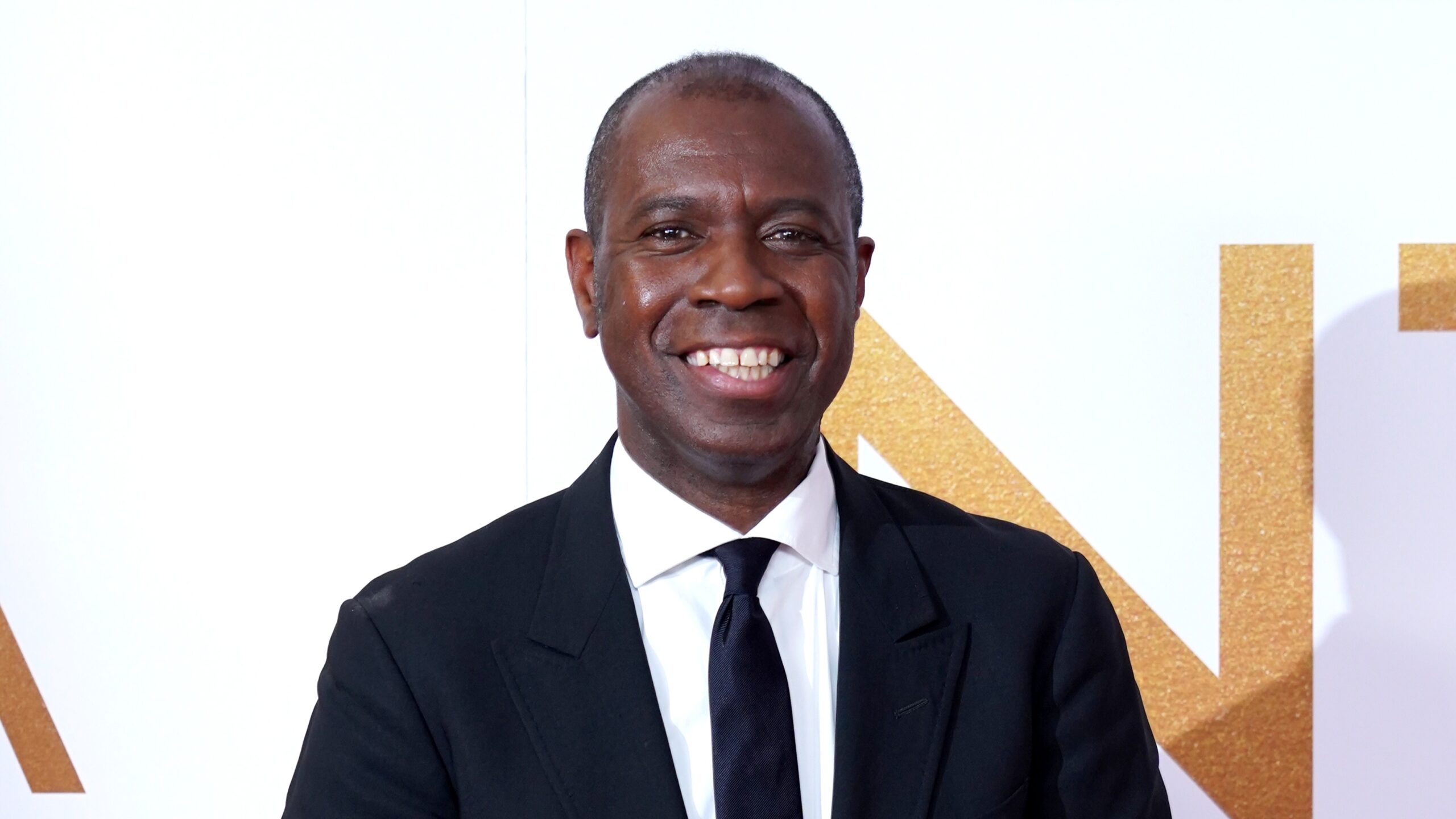
When people talk about broadcasters who feel reliable, they often mean more than a steady voice and a familiar face. With Clive Myrie, it’s the sense that he brings a reporter’s discipline into every moment whether he’s anchoring breaking updates, guiding a studio interview, or hosting a quiz show that has nothing to do with war zones, elections, or courtrooms. His career is a reminder that journalism isn’t only what happens on camera. It’s what happens beforehand: preparation, verification, emotional restraint, and the ability to tell difficult stories without turning them into spectacle.
This article explores Clive Myrie’s life and work beyond the news desk, focusing on the craft behind the calm presentation. We’ll look at where his reporting instincts come from, how his career developed from early BBC training to international credibility, and why his on-screen style resonates with audiences. Along the way, we’ll connect his public role to the less visible skills that make that role possible: research, source management, safety awareness, and ethics. Throughout, the goal is simple understand the journalist behind the voice.
BIO
| Label | Information |
|---|---|
| Full Name | Clive Myrie |
| Date of Birth | 25 August 1964 |
| Birthplace | Farnworth, Lancashire, England |
| Nationality | British |
| Profession | Journalist, News Presenter, Broadcaster |
| Employer | BBC |
| Education | Law degree, University of Sussex |
| Career Start | Joined BBC as trainee reporter (1987) |
| Known For | International reporting and calm news delivery |
| TV Role | Host of Mastermind |
| Coverage | Reported from over 90 countries |
| Interests | Music, travel, documentaries |
From early beginnings to a lifelong newsroom habit
Clive Myrie was born in 1964, and his background is often discussed in relation to his later perspective as a journalist especially how he understands communities, identity, and public institutions. In one BBC-related context, he has described early influences and the impact of family migration on how he viewed the world. Biographical profiles and interviews also note that he studied law before joining the BBC’s training pathway.
That legal foundation matters in a way that many viewers may not notice. Law training teaches structure: how arguments are built, how evidence is weighed, and how language can be both precise and misleading. Journalism uses similar muscles. You don’t just report what you feel you report what you can substantiate. You don’t just listen you assess. You don’t just summarize you verify.
Myrie entered the BBC through a trainee route for graduate journalism, joining in the late 1980s. Public biographies consistently point to that as the turning point where curiosity became routine, and routine became professional identity. He joined as a trainee local radio reporter and then moved through the BBC’s ecosystem, learning how stories travel from pitch to proof.
Learning to report before the story becomes a headline
One of the most underestimated parts of a journalist’s life is the early stage: the years when you still feel the weight of getting it right. Myrie’s path includes the kind of apprenticeship that matters most learning to work with deadlines, to ask better questions, and to understand what accuracy looks like in practice.
Many broadcasters are remembered for a signature moment the interview that went viral, the piece that won an award, the delivery that became iconic. But the craft behind those moments is usually invisible. Interviews with Myrie and profiles about his career repeatedly emphasize that trust is built deliberately. In other words, it isn’t granted because you’re on television; it’s earned because viewers believe you have checked, listened, and thought.
That credibility also depends on an ability to navigate pressure without losing clarity. News environments are fast. Sources change their statements. Context shifts. What seemed certain in the morning may require revision by evening. Strong reporters develop a habit of skepticism not the cynical kind, but the disciplined kind: Why are we saying this? What’s the source? What could we be missing?
Field reporting: the discipline of context
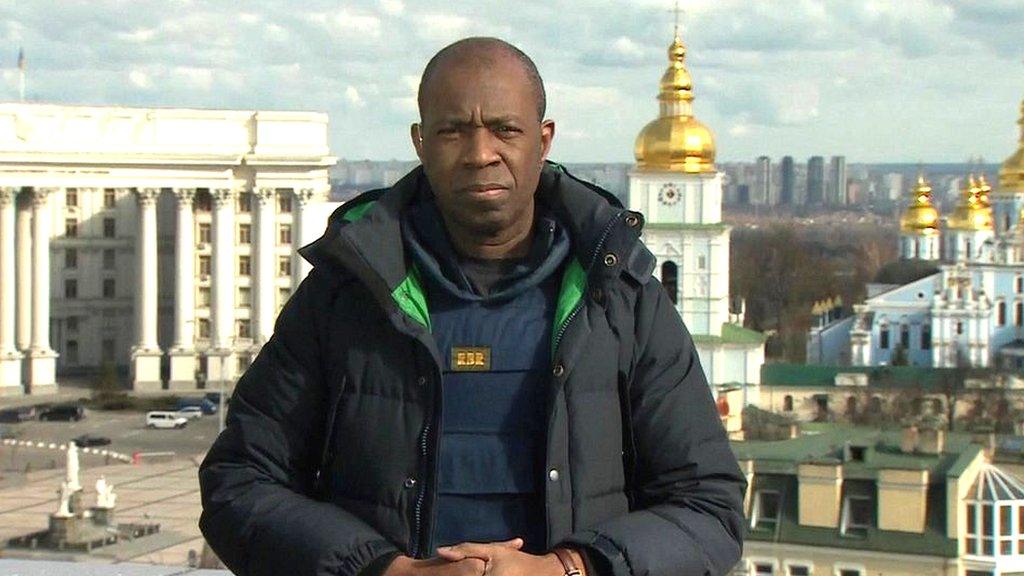
Clive Myrie is widely recognized as an experienced BBC journalist and international correspondent. The title newsreader can make it sound like the job is mostly delivery. In Myrie’s case, the record shows something else: substantial field reporting and international assignments that demanded preparation, cultural awareness, and composure under stress.
The broader craft of conflict and international reporting is difficult to capture in a few lines. But journalism scholars and press institutions describe the same essentials that reporters must continuously practice: verification, risk management, and context-building. In a similar vein, the Bayeux-Calvados awards one of the most recognized prizes for war correspondents exists specifically to honor reporting about conflicts and their consequences for civilians, emphasizing the field-based reality of the work.
Even when readers don’t follow his assignments like a timeline, the impact of that field background shows up in the way he explains complicated subjects on air. He doesn’t treat international events as abstract politics. He tends to translate them into human stakes without turning those stakes into emotional performance. That balance is not accidental. It’s practiced.
Ethics in practice: impartiality without emotional distance
A common misconception is that ethical journalism requires emotional distance. In reality, professional ethics is closer to emotional control. You acknowledge gravity. You treat people with respect. But you also avoid letting your feelings replace evidence.
In interviews and profiles, Myrie has addressed how audiences develop trust, including the idea that people feel they have an investment when a story affects them personally or broadly. That kind of trust is fragile one careless statement can do damage that takes years to undo.
This is where his legal-styled precision and his reporting experience converge. Ethical reporting means choosing words carefully, clarifying uncertainty, and not pretending you know what you cannot confirm. It also means building explanations that help audiences understand how and why a situation is unfolding not just what happened.
Moving from specialist reporting to a mass audience
Over time, Myrie’s presence expanded from specialist reporting into roles many viewers experience daily. The BBC has long relied on familiar faces to create continuity across different kinds of programming serious reporting, live coverage, and studio interviews. Myrie’s transition into widely recognized news hosting reflects the BBC’s emphasis on combining authority with approachability.
In public coverage of his career, he’s been described as a BBC news presenter with extensive international reporting history, and his later role as a studio anchor sits on top of that foundation.
What does a journalist have to change when they step into a broad-audience studio? Not the standards. The standard remains: verify, contextualize, and be accurate. What changes is the communication style. When you’re on a mass platform, you’re explaining in front of audiences who may not share the same background knowledge. You have to be clear without being simplified, and you have to move at a pace that respects viewers’ attention while staying truthful.
In interviews about his public role, Myrie has also discussed how he doesn’t see himself as a robot reading an autocue, and he has reflected on how audiences perceive his work and personality.
Beyond the news desk: hosting, timing, and tone
Hosting a program that isn’t news can look like a side step until you understand how hosting works. A quiz show has rules and momentum. The host manages time, encourages the contestants, and keeps the tone welcoming. That might sound unrelated to journalism, but it’s actually part of the same skill set: reading a room, shaping pacing, and communicating clearly.
Clive Myrie became the host of Mastermind in 2021, taking over from John Humphrys. Sources across British entertainment coverage report that his debut as host came on 23 August 2021.
That transition is interesting because it shows a different side of public presence. Journalism often demands a controlled intensity. Mastermind demands warmth, curiosity, and a steady, encouraging tone. Yet audiences who like Myrie in news can recognize the same core characteristics: calm delivery, respectful engagement, and clarity about what comes next.
If you’re writing about Clive Myrie beyond the news desk, the Mastermind chapter helps answer a key question: is he only a professional because he’s formal? Or is he professional because he can adapt his communication style without losing accuracy and credibility? For Myrie, the evidence suggests adaptation rather than performance.
What made his reporting feel human to audiences
There’s a difference between being likable and being trustworthy. Myrie’s appeal sits somewhere between both. Viewers often describe him as measured and at ease, but the human quality isn’t in friendliness alone. It’s in how he handles complex subjects without condescension.
He has spoken publicly about politics, personality, and the broader role of journalism, including how the public’s relationship with news has changed in the era of fast platforms and shifting attention.
This is part of why his delivery matters. In a fragmented media landscape, audiences are bombarded by competing narratives. A careful reporter’s job becomes even more difficult: you have to compete for attention while holding the line against misinformation.
Myrie’s approach clear explanations, cautious confidence, and a refusal to oversell certainty aligns with that need. It’s not theatrical. It’s steady. That steadiness can feel comforting, especially when the story itself is unsettling.
International perspective: telling stories that don’t flatten people
International reporting requires more than travel. It requires interpretation without appropriation. It means understanding history, institutions, and local language not to perform expertise, but to avoid turning people into stereotypes.
Clive Myrie’s career includes international assignments and a reputation for reporting that engages directly with what’s happening rather than treating the world as a backdrop for someone else’s argument.
In the real world, international stories are often simplified for speed: conflict becomes a single villain; culture becomes a checklist; politics becomes a slogan. Myrie’s public interviews and profiles suggest a different method prioritize context, show how events connect to real lives, and keep the writing anchored to evidence rather than assumption.
That’s one reason his work resonates. It doesn’t merely inform. It explains.
Awards and recognition: what they signal about standards
Awards aren’t the only measure of quality, but they can reveal something important: institutional recognition of professional standards.
Royal Television Society coverage includes references to Myrie winning Television Journalist of the Year and receiving recognition connected to his work as a network presenter.
Recognition from respected industry bodies can’t replace the value of the work itself. Still, it provides a visible marker that his work meets high benchmarks especially when those benchmarks relate to accuracy, presentation, and the quality of reporting.
Personal perspective: how journalists stay grounded
One of the hardest parts of covering difficult events is staying grounded while working in the emotional weather of the world. Reporters develop habits: routines for decompression, professional boundaries, and a sense of responsibility that keeps them from turning pain into content.
In interviews with mainstream outlets, Myrie has discussed his viewpoints on journalism and public trust, as well as his own experiences of the pressures that come with the job.
This matters because beyond the news desk isn’t just about job titles. It’s about how the life of a journalist interacts with the emotional realities of witnessing events up close.
What Clive Myrie represents in a changing media world
A reader might come away thinking: So what? He’s a BBC presenter. That’s it. But journalism careers like his point to something larger: the relationship between institutions and truth.
In the age of social media and algorithm-driven distribution, the work of verification becomes more challenging. Stories circulate instantly, often without full context. This means journalists aren’t only producing news they’re defending standards against shortcuts.
Clive Myrie’s career trajectory training within major broadcast journalism, decades of on-the-ground reporting, and later roles at the center of popular programming suggests a consistent theme: professionalism as a long-term practice.
It’s not glamorous. It’s not fast. It’s not built on going viral. It’s built on doing the work carefully, repeatedly, and with accountability.
Lessons for readers who care about good journalism
If you’re writing about clive myrie and you want the piece to help readers beyond curiosity, the best ending is practical. Here are lessons implied by his career path and public reflections.
Verification is a habit, not a moment
A great broadcast doesn’t happen by accident. It happens because a reporter has learned how to check information until it holds up.
Clarity beats cleverness
When the world is confusing, the reporter’s job is to organize understanding for the audience, not to sound impressive.
Ethical restraint makes trust possible
Neutrality isn’t “emotionless.” It’s refusing to blur evidence with opinion.
Adapt without lowering standards
Moving from international reporting to mass studio presentation and then into a program like Mastermind requires communication flexibility. The standards remain.
Human stakes belong in the story
Explaining events through people’s lives helps audiences grasp what’s really at stake without turning tragedy into entertainment.
Conclusion: a career built on craft
To understand Clive Myrie beyond the news desk is to see a career defined by preparation, discipline, and a particular kind of respect for both facts and people. His early BBC training laid the groundwork, and his international and field experience deepened his ability to interpret difficult events with context and care. Over time, his role expanded to mass audience presence, where clarity and steadiness became essential.
Then came Mastermind, a very different kind of stage. Yet even there, Myrie’s public persona carries the same fundamental characteristics: calm pacing, thoughtful engagement, and an instinct to keep the experience grounded and human.
In a media environment where confidence is easy to manufacture and accuracy is harder to maintain, Clive Myrie’s value is still simple: he approaches the work like it matters. And when journalism is treated that way, audiences don’t just watch the news they feel something like reassurance.
FAQs
1. Who is Clive Myrie?
Clive Myrie is a British journalist, news presenter, and broadcaster best known for his work with the BBC. He has reported from around the world and is widely respected for his calm and clear reporting style.
2. What is Clive Myrie known for?
He is known for covering major global events, especially from conflict zones, and for presenting BBC News programs. He is also recognized as the host of the quiz show Mastermind.
3. Has Clive Myrie worked outside news reporting?
Yes, beyond news, he has hosted television shows, presented documentaries, and explored travel and cultural programs, showing his versatility as a broadcaster.
4. Where did Clive Myrie start his career?
He began his journalism career with the BBC as a trainee local radio reporter, gradually moving into international reporting and presenting roles.
5. Why is Clive Myrie considered a trusted journalist?
His calm delivery, factual reporting, and ability to explain complex events clearly have earned him strong public trust over many years.
